


STARTING A LOCAL PRACTICE
An Introduction
So you live in an armored combat desert.
This guide is for people who want to get into Buhurt when they are among the first in their area to do so. While this path isn’t easy, it’s worth remembering one important truth:
Every club in the United States started this way.
No one begins as an expert. Every successful team began with new fighters showing up, training consistently, and learning together.


STEP 1: FIND THE CLOSEST FIGHTERS
Before starting your own practice, determine whether there is an existing team close enough to train with at least occasionally. In some cases, a club may be far—but still reachable for day trips, weekend visits, and special training sessions or events. Even infrequent in-person training can make a huge difference early on.
If there is no team within reasonable driving distance, use the MC USA Discord or Facebook group to connect with established teams and fighters. Many people begin by flying out for training or events before starting something locally.

PRACTICE VS. TEAM / CLUB / CHAPTER
You may be wondering why this guide focuses on starting a practice, rather than immediately forming a team or club. That’s intentional.
Names, colors, logos, and league affiliations are exciting, but they matter far less than having a consistent, high-quality practice.
A realistic path to fielding a competitive 5v5 team requires:
-
At least 4 committed fighters
-
Several additional mercenaries or alternates (networking!)
-
Months of training
-
Roughly $8,000+ in combined armor investment
Strong teams are built after fighters develop skills, conditioning, and trust. That process begins with practice.

SHOW UP & CONNECT WITH THE COMMUNITY
If there is a team you can reach, attend a practice, introduce yourself, and ask questions!
Try to attend at least one event. Events are one of the best ways to understand the sport, meet fighters, and decide whether this is the path you want to pursue.
If no team is accessible by car, reaching out online and traveling occasionally is still worthwhile. These connections often become mentorships that help guide new practices.

STARTING AS A "MERC"/SATELLITE FIGHTER
If there is a team that where you can routinely make practice, even if is not all the practices, this is one option. Guest fighters from non-local areas or clubs, commonly called "mercs," are routinely used to fill out rosters for teams at tournaments. This is a common option for fighters that are starting up-and-coming clubs. Talk to the team captain about supplemental drilling and training to help bridge the gap.
MINIMUM REQUIREMENTS FOR A NEW PRACTICE
At a minimum, a viable practice needs:
-
A consistent schedule (same time, same place)
-
At least two people attending each practice
-
Enough foam training gear for participants and newcomers
-
Basic legal considerations addressed
(Talk to other teams and a local attorney about liability and waivers)
You do not need armor to begin. Many practices operate safely for months using foam weapons and controlled drills.

TIPS FOR BUILDING A GREAT PRACTICE
Work With the Community
Experienced fighters are usually happy to help. Reach out for drill ideas, training plans, gear recommendations, and safety guidance.
Create a Healthy Culture
Successful practices prioritize
-
Learning over ego
-
Clear structure and goals
-
Respect and safety
-
Growth for everyone—not just the strongest fighter
Talk to experienced teams about what healthy club culture looks like.
Lead by Example
If you start a practice, your behavior sets the tone.
If the founder skips practice, doesn’t train seriously, and doesn’t put in the work, others will follow suit. Consistency and effort from leadership matter.
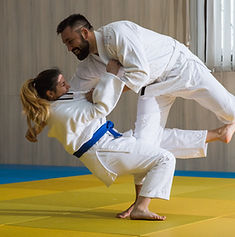
DON’T BE AFRAID TO SUPPLEMENT YOUR TRAINING
Even if there are no armored fighters nearby, there are almost always relevant combat sports available. Common crossover disciplines include:
-
Wrestling
-
Judo
-
Boxing
-
Muay Thai
-
MMA
The Society for Creative Anachronism (SCA) also offers rattan combat with many transferable fundamentals, particularly for dueling formats.
Pooling resources to bring in outside coaches—or attending group classes together—can dramatically accelerate skill development.

FINAL THOUGHTS
Starting this journey alone is difficult. Founding a new practice is even harder. It takes time, money, sweat—and sometimes a little blood.
But it can be done.
Every successful club in the U.S. traces its roots back to a small group of new fighters who decided to start training anyway. Many of those fighters went on to compete nationally and internationally.
It isn’t easy—but few things worth doing are.